Understanding Black White Abstract Laser Cutting Designs
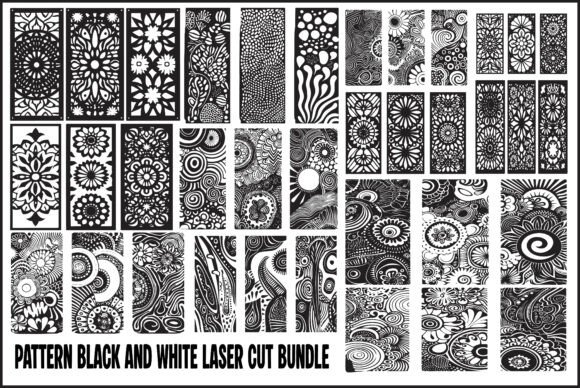
When exploring options for modern interior design or professional fabrication projects, Black White Abstract Laser Cutting has emerged as a versatile and visually striking choice. This design approach combines high-contrast aesthetics with the precision of computer-controlled manufacturing, resulting in decorative panels that serve both functional and artistic purposes. Whether you are a DIY enthusiast working with a home hobbyist machine or a professional fabricator managing large-scale CNC operations, understanding the nuances of these abstract patterns is essential for achieving optimal results.
The appeal of black and white abstract designs lies in their simplicity and adaptability. By stripping away complex color palettes and focusing on form, line, and negative space, these patterns create bold visual statements. They are particularly effective in contemporary settings where minimalism and clean lines are prioritized. However, selecting the right files and understanding the technical requirements can make the difference between a mediocre cut and a professional-grade finish.
The Appeal of Abstract and Floral Motifs
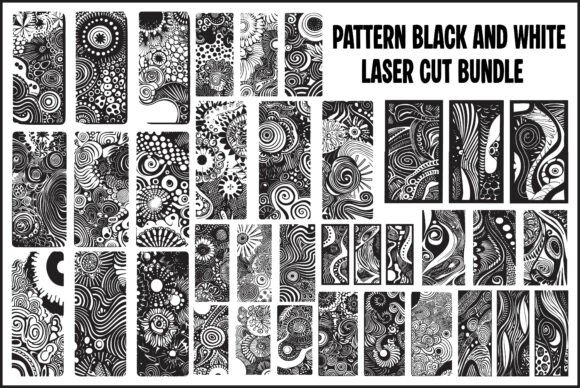
Abstract laser cut patterns often draw inspiration from organic forms, including floral elements, geometric shapes, and fluid lines. The interplay between solid material and cut-out spaces creates depth and texture, transforming flat sheets of wood, acrylic, or metal into dynamic screens and wall décor. The "black and white" designation typically refers to the visual representation in digital files, where black lines indicate cut paths and white areas represent remaining material, or vice versa, depending on the software setup.
For designers and makers, this aesthetic offers several advantages. First, it is timeless. Unlike trend-heavy designs that may quickly feel dated, abstract patterns maintain their relevance across various design eras. Second, the high contrast ensures that the details remain visible even from a distance, making these patterns ideal for room dividers, privacy screens, and large wall installations. The elegance of floral decorative panels, when rendered in an abstract style, adds a touch of sophistication without appearing overly ornate or cluttered.
Evaluating File Formats for Different Needs
A critical aspect of working with Black White Abstract Laser Cutting files is understanding the format requirements for your specific equipment. A comprehensive bundle typically includes multiple file types, each serving a distinct purpose in the workflow.
- EPS (Encapsulated PostScript): These fully editable vector files are the gold standard for professional laser cutting and CNC work. They allow for precise modification of shapes, sizes, and details using software like Adobe Illustrator or CorelDRAW. For industrial applications where high-precision cutting with clean edges is non-negotiable, EPS files provide the necessary control over node placement and path optimization.
- SVG (Scalable Vector Graphics): Ideal for hobbyists and small business owners using machines like Cricut, Silhouette, or Glowforge, SVG files are lightweight and scalable without quality loss. They are cut-ready and often feature smooth curves that are easy for desktop machines to interpret. This format is perfect for DIY crafts and home décor projects where quick customization of colors and layers is desired.
- PNG (Portable Network Graphics): High-resolution raster images with transparent backgrounds are invaluable for digital mockups and product listings. While not suitable for direct cutting, they allow designers to visualize how the pattern will look against different backgrounds or materials before committing to production.
- JPG (Joint Photographic Experts Group): These print-ready images are useful for previews, presentations, and posters. They provide a quick way to share design concepts with clients or stakeholders who may not have vector editing software.
Choosing the right format depends on your end goal. If you are modifying the design for a specific architectural space, vector formats (EPS/SVG) are mandatory. If you are simply showcasing the design online, raster formats (PNG/JPG) suffice.
Practical Considerations and Tradeoffs
While Black White Abstract Laser Cutting offers significant aesthetic benefits, there are practical tradeoffs to consider. One major factor is material waste. Intricate abstract patterns with many small cut-outs can result in higher material usage compared to simpler designs. Additionally, the complexity of the pattern affects cutting time. Dense floral or geometric details require slower cutting speeds to ensure accuracy, which can increase production costs for large batches.
Another consideration is structural integrity. When cutting thin materials like plywood or acrylic, overly delicate abstract lines may become fragile or prone to breaking during handling. It is crucial to evaluate the minimum line width and bridge strength required for your chosen material. Professional vectors often include optimized paths that minimize unnecessary movements, but users must still verify that the design is suitable for the thickness and type of material they intend to use.
Furthermore, the "black and white" nature of these designs means that lighting plays a significant role in the final appearance. Shadows cast by the cut-outs can enhance the three-dimensional effect, but poor lighting may flatten the design, reducing its visual impact. Therefore, these patterns are best suited for environments where lighting can be controlled or where natural light creates dynamic shadow play throughout the day.
When to Choose Abstract Laser Cut Patterns
This design style is a strong fit for several specific scenarios. It is excellent for creating privacy screens in open-plan living spaces, where the goal is to define zones without blocking light completely. The abstract nature ensures that the screen acts as an art piece rather than just a functional barrier. Similarly, these patterns are ideal for wall décor in commercial spaces such as offices, hotels, and restaurants, where a sophisticated yet neutral aesthetic is desired.
For crafters and small business owners, these bundles offer a quick start to product development. With pre-made, cut-ready files, creators can focus on material selection and finishing techniques rather than spending hours designing complex vectors from scratch. This efficiency allows for faster prototyping and quicker time-to-market for items like lampshades, jewelry displays, and decorative boxes.
Alternatives and Decision-Making Insights
Despite their versatility, abstract laser cut patterns may not be the best choice for every project. If the goal is to convey specific cultural motifs or highly detailed realistic imagery, other design styles may be more appropriate. Additionally, if budget constraints are tight, simpler geometric patterns with fewer cut lines may reduce material waste and machine time significantly.
When deciding whether to proceed with Black White Abstract Laser Cutting, consider your technical capabilities. Do you have access to software that can edit vector files? If not, stick to SVG files that require minimal adjustment. Are you working with a material that supports fine details? Test cuts are recommended before committing to full-scale production. Ultimately, the decision should align with your aesthetic goals, technical resources, and production constraints. By carefully evaluating these factors, you can leverage the elegance and precision of abstract laser cutting to enhance your creative projects effectively.