Viking Tarot Cards - 48 PNG Clipart: A Guide to Quality and Usage
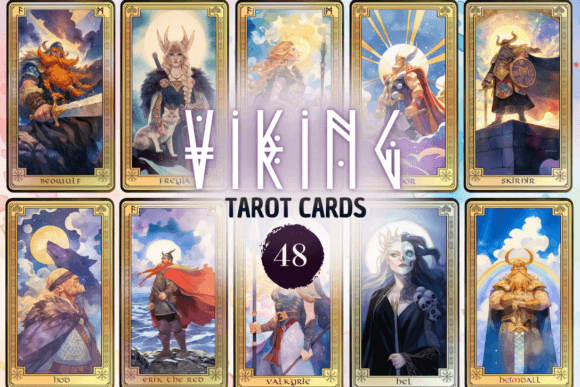
Integrating Norse mythology into creative projects requires more than just a passing interest in runes and ravens; it demands visual authenticity and technical precision. The Viking Tarot Cards - 48 PNG Clipart collection offers a curated bridge between ancient legend and modern digital design. With forty-eight unique illustrations, this set allows creators to explore the mystic symbolism of the North without needing advanced illustration skills. However, many users overlook the technical nuances of high-resolution digital assets, leading to subpar results in both print and digital media. Understanding how to properly utilize these files ensures your final product honors the intricate details of the artwork.
Understanding the Asset Value
This bundle is not merely a collection of images; it is a versatile toolkit for designers, hobbyists, and entrepreneurs. Each card is rendered at 300 DPI with dimensions of 2050×3700 pixels. This specific resolution is critical for professional-grade printing. Many beginners mistakenly believe that any image found online is suitable for large-format prints, only to discover pixelation and blurriness when the final product arrives. By starting with high-DPI sources, you safeguard the integrity of your work, whether you are creating small stickers or large framed wall art.
The transparent background feature of these PNG files is another significant advantage. It allows for seamless integration into various layouts without the awkward white boxes that often plague JPEG downloads. This flexibility is essential for composite designs, such as placing a Viking warrior on a textured parchment background or overlaying runic symbols onto custom invitations.
Common Pitfalls in Digital Asset Usage
Even with high-quality source material, errors in handling digital files can compromise your project. Here are common mistakes creators make and how to avoid them.
Ignoring Color Profiles for Print
One of the most frequent issues arises when designers prepare files for physical products like mugs, t-shirts, or posters. Digital screens display colors in RGB (Red, Green, Blue), while printers use CMYK (Cyan, Magenta, Yellow, Key/Black). If you send an RGB file directly to a print-on-demand service without checking their requirements, the vibrant blues of a Norse sky or the metallic sheen of a shield may appear dull or muddy.
Better Approach: Always check the color profile requirements of your printer. If you are using professional software, convert your final design to CMYK before exporting. For casual users, order a single proof copy to verify color accuracy before committing to a bulk run. This small step prevents costly reprints and customer dissatisfaction.
Misunderstanding Licensing and Commercial Use
Many creators assume that purchasing a digital clipart pack grants unlimited rights to resell the raw images. This is a dangerous misconception. Typically, licenses allow you to use the assets in end products—such as a printed tarot deck, a journal cover, or a wedding invitation—but prohibit the redistribution of the original PNG files themselves. Selling the unzipped folder of images on a stock site or sharing them in a freebie group violates intellectual property rights.
Better Approach: Read the license agreement included in the zip archive carefully. Ensure your intended use case aligns with the terms. If you plan to sell physical items featuring these designs, you are generally safe. If you plan to distribute digital templates, verify if the license permits "commercial use" in that specific context. When in doubt, contact the creator for clarification.
Overlooking Aspect Ratio Constraints
The cards in this set are designed with a specific vertical aspect ratio. Attempting to stretch or squash these images to fit square formats, such as Instagram posts or square coasters, distorts the proportions of the characters and symbols. A stretched Viking helmet or a warped rune looks unprofessional and undermines the mystical aesthetic you are trying to achieve.
Better Approach: Use cropping tools rather than resizing tools to adjust the composition. If you need a square format, crop the top and bottom of the card, focusing on the central figure. Alternatively, place the vertical card onto a square canvas with a complementary background, preserving the original proportions while fitting the new format.
Maximizing Creative Potential
To get the most out of the Viking Tarot Cards - 48 PNG Clipart, consider the diverse applications beyond traditional tarot readings. These images are rich in narrative potential.
- Scrapbooking and Journaling: Use the transparent PNGs to layer elements over handwritten notes. The high resolution ensures that even when printed at smaller sizes, the line work remains crisp.
- Educational Materials: Educators teaching Norse mythology can use these cards as visual aids. Print them as flashcards to help students associate symbols with their meanings, such as linking Mjolnir to strength or Yggdrasil to interconnectedness.
- Event Decorations: For themed parties or weddings, these designs can be scaled up for large banners or backdrop prints. The 300 DPI quality supports large-format printing without loss of detail.
- Digital Products: Incorporate the cards into digital planners or printable wall art bundles. Ensure you flatten the layers in your final PDF to protect the original assets and provide a clean user experience for your customers.
Technical Checklist Before You Begin
Before diving into your design software, take a moment to organize your workflow. This preparation saves time and reduces frustration.
- Unzip and Organize: Extract the zip archive to a dedicated folder. Rename files if necessary to keep track of specific cards, such as "The_Fool_Viking" or "Death_Ragnarok."
- Test Print: Print one card on your home printer or a local shop to check scale and color. This helps you understand how the digital image translates to paper.
- Software Compatibility: Ensure your design software supports PNG transparency. Most modern programs like Photoshop, Illustrator, Canva, and Procreate handle this well, but older or basic viewers may not display the transparent background correctly.
- Backup Your Work: Keep a copy of the original zip file in a secure location. Losing source files can halt projects if you need to restart or create new variations later.
Enhancing the Mystical Aesthetic
The beauty of Norse-inspired art lies in its atmosphere. To enhance the impact of these clipart images, consider adding texture overlays. Paper textures, parchment stains, or subtle fog effects can deepen the vintage feel of the cards. However, maintain balance. Overloading the design with too many effects can obscure the detailed illustration. Let the artwork breathe by using negative space effectively.
Typography also plays a crucial role. Pair these images with fonts that evoke the era—such as rustic serifs or runic-style typefaces—but ensure readability. The text should complement the image, not compete with it. For tarot cards, keep the title and number clear and distinct from the central illustration.
Final Thoughts on Quality and Intent
Using the Viking Tarot Cards - 48 PNG Clipart effectively is about respecting both the technical specifications and the artistic intent. By avoiding common pitfalls like incorrect color profiles, licensing misunderstandings, and improper resizing, you ensure that your projects meet professional standards. Whether you are a small business owner creating a new product line or a hobbyist designing personal gifts, attention to detail elevates your work. Embrace the versatility of these high-resolution assets, and let the legends of the North inspire your next creative endeavor.