Unlocking Creativity: The Art and Utility of Open Book Floral Illustrations
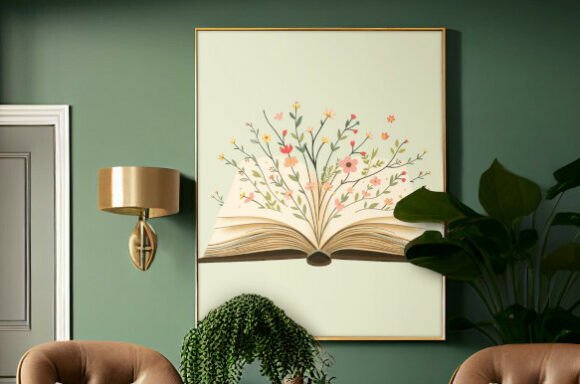
In the vast landscape of digital design and artistic expression, certain motifs possess a timeless ability to captivate the imagination. Among these, the open book with floral illustration stands out as a particularly evocative symbol. This charming collection of designs features open books with delicate flowers and leaves growing organically from the pages, blending the structured world of literature with the untamed beauty of nature. Created in a soft, whimsical style with multiple color variations, these illustrations are not merely decorative; they are versatile assets suitable for a wide range of creative uses.
For designers, educators, and hobbyists alike, understanding the aesthetic appeal and practical application of these images can elevate projects from ordinary to extraordinary. Whether you are designing a logo for a bookstore, creating educational materials for a literacy program, or simply adding a touch of elegance to a personal scrapbook, these transparent-background graphics offer a seamless way to integrate literary charm into your work.
The Symbolism Behind the Design
To truly appreciate the value of an open book adorned with blooming flora, one must first understand the symbolism it carries. Books have long been regarded as vessels of knowledge, imagination, and escape. They represent the human desire to learn, to dream, and to connect with ideas beyond our immediate reality. Flowers, on the other hand, symbolize growth, beauty, renewal, and the natural cycle of life.
When these two elements are combined—flowers sprouting from the pages of a book—the resulting image suggests that knowledge is alive. It implies that reading is not a static activity but a dynamic process that fosters personal growth and creativity. The "whimsical style" mentioned in many modern collections enhances this narrative, suggesting that learning can be gentle, joyful, and visually pleasing. This deeper meaning makes the imagery particularly powerful for brands and projects that wish to convey warmth, intelligence, and organic development.
Why Transparency Matters in Digital Design
One of the most critical technical aspects of these illustrations is the provision of a transparent background. For those new to graphic design, this feature might seem minor, but its impact on workflow efficiency is profound. A transparent background means the image file (typically a PNG) does not have a solid white or colored box surrounding the artwork. Instead, the background is invisible, allowing the illustration to sit seamlessly on top of any other design element.
This versatility is ideal for:
- Digital Projects: Website headers, blog post featured images, and social media graphics where the background color or image needs to show through.
- Print Designs: Business cards, flyers, and posters where the illustration might need to overlap with text or other graphical elements without awkward white edges.
- Stationery and Scrapbooking: Allowing users to layer the book and flowers over patterned papers or textured backgrounds for a cohesive, professional look.
Without transparency, designers would spend valuable time manually removing backgrounds, a task that often results in jagged edges or loss of detail. By providing high-quality, pre-isolated illustrations, creators empower users to focus on composition and storytelling rather than tedious editing.
Practical Applications Across Industries
The utility of open book floral illustrations extends far beyond simple decoration. Their adaptability makes them relevant in various sectors, from education to commercial business. Let us explore how these designs fit into modern life and work.
Educational Materials and Literacy Promotion
In the realm of education, visual aids play a crucial role in engaging students. Teachers and curriculum developers can use these whimsical illustrations to create inviting classroom environments. For example, a reading corner poster featuring a book with vines and blossoms can make the act of reading feel magical and inviting to young children. Furthermore, these images are perfect for:
- Book Reports and Presentations: Students can use these cliparts to decorate their slides or physical posters, adding a professional yet creative touch.
- Library Branding: Public and school libraries can incorporate these motifs into their logos, bookmarks, and event flyers to promote a welcoming atmosphere.
- E-Learning Modules: Online courses related to literature, history, or botany can use these icons as section dividers or progress markers, reinforcing the theme of growing knowledge.
Commercial Branding and Stationery
For businesses, particularly those in the publishing, writing, or gift industries, branding is everything. An independent bookstore, a printing press, or a stationery shop can leverage these illustrations to establish a brand identity that feels both classic and fresh. The "soft, whimsical style" appeals to consumers looking for authenticity and charm.
Consider a wedding invitation suite for a couple who met in a library. Using an open book illustration with roses growing from the pages as a central motif ties their love story to their shared passion for reading. Similarly, journal manufacturers often use such imagery on covers to suggest that the blank pages within are ready to bloom with the user’s thoughts and ideas.
Decorative Artwork and Home Decor
Beyond commercial and educational uses, these illustrations have found a home in interior design. With the rise of print-on-demand services, artists and entrepreneurs can easily transfer these designs onto canvas prints, throw pillows, and tote bags. The multiple color variations available in modern collections allow homeowners to match the artwork to their existing decor schemes, whether they prefer pastel tones for a nursery or vibrant hues for a creative studio.
Common Misunderstandings About Clipart and Illustrations
Despite their popularity, there are common misconceptions regarding the use of digital illustrations like these. One frequent assumption is that "clipart" is inherently low-quality or childish. However, modern digital assets, especially those described as "charming collections" with "delicate flowers," are often created by professional illustrators using advanced software. They offer high resolution and intricate details that rival custom-drawn artwork.
Another misunderstanding is that such specific imagery limits creativity. On the contrary, having a pre-designed element like an open book with flowers can serve as a creative anchor. It provides a starting point around which the rest of the design can be built. For instance, a designer might use the illustration as a focal point and build a typography layout around it, saving hours of conceptualization time.
Choosing the Right Variation for Your Project
With multiple color variations available, selecting the right version of the illustration is key to achieving the desired emotional impact. Here are some guidelines to help you choose:
- Pastel and Soft Tones: Ideal for baby showers, spring-themed events, and wellness brands. These colors evoke calmness and gentleness.
- Vibrant and Bold Colors: Best for summer promotions, children’s educational materials, and energetic marketing campaigns. They grab attention and convey excitement.
- Muted and Earthy Tones: Perfect for vintage-style designs, autumn themes, and sophisticated literary journals. These shades suggest wisdom and tradition.
It is also important to consider the context in which the image will be viewed. On a busy website background, a simpler, high-contrast variation might be more effective. In a minimalist print design, a detailed, multi-colored illustration can serve as the star of the show.
Conclusion: Embracing the Blend of Nature and Narrative
The open book with floral illustration is more than just a pretty picture; it is a versatile tool that bridges the gap between the intellectual and the aesthetic. By combining the symbolism of literature with the beauty of nature, these designs offer a unique way to communicate growth, learning, and creativity. Whether you are a teacher looking to inspire students, a business owner building a brand, or a hobbyist creating personal art, these transparent, whimsical illustrations provide a foundation for endless possibilities.
As we continue to navigate a digital-first world, the demand for high-quality, meaningful visual content remains strong. By incorporating these charming collections into your projects, you not only enhance the visual appeal of your work but also tap into a deeper narrative that resonates with audiences on an emotional level. So, the next time you seek to add a touch of elegance and meaning to your creative endeavors, consider letting the flowers bloom from the pages of your design.
For more resources on digital design assets and tips on how to integrate them into your workflow, explore our comprehensive guides on graphic design best practices and creative branding strategies.