Mastering Traditional Japanese Kumiko Geometric Art
The quiet elegance of Traditional Japanese Kumiko Geometric design lies in its deceptive simplicity. At first glance, it appears to be a delicate lattice of wood, but upon closer inspection, you realize there are no nails, screws, or glue holding the intricate patterns together. This ancient craft relies entirely on precision joinery, where hundreds of tiny wooden pieces interlock to form symmetrical, mesmerizing structures. For modern creators, designers, and homeowners, understanding this art form offers more than just aesthetic appreciation; it provides a blueprint for patience, precision, and sustainable design.
Whether you are a hobbyist looking to refine your woodworking skills, an interior designer seeking unique textural elements, or a digital artist searching for authentic cultural motifs, kumiko offers profound value. It bridges the gap between structural integrity and artistic expression, creating objects that are both functional and deeply meditative.
The Essence of Precision Joinery
To truly appreciate Traditional Japanese Kumiko Geometric patterns, one must understand the core philosophy behind them. Originating during the Edo period, kumiko was initially used in shoji screens to allow light to filter through while maintaining privacy. The term itself roughly translates to "assembled wood." Unlike standard carpentry, which often prioritizes speed and strength through metal fasteners, kumiko prioritizes harmony and flexibility.
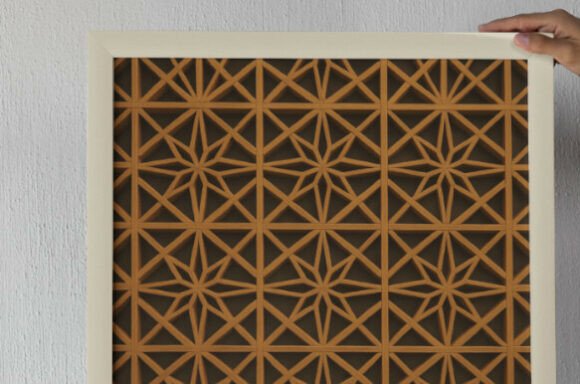
The magic happens in the joints. Each piece is cut at precise angles, often as small as 45 or 60 degrees, allowing them to fit together like a complex puzzle. A high-resolution image of a traditional Japanese kumiko panel, showcasing a precise geometric lattice of interlocking star and diamond patterns, reveals the sheer density of these connections. The craftsmanship highlights fine wooden joinery with symmetrical arrangements, creating an elegant and visually mesmerizing background perfect for cultural, architectural, or decorative applications. This visual complexity is not random; every star, diamond, and hexagon follows strict mathematical rules that have been passed down through generations of artisans.
For beginners, this might seem intimidating. However, the appeal lies in the process. Working with kumiko teaches you to respect the material. You learn how wood grain affects strength, how humidity changes dimensions, and how a fraction of a millimeter can make or break a pattern. It is a practice in mindfulness, requiring you to slow down and focus entirely on the task at hand.
Why Modern Creators Are Turning to Kumiko
In an era dominated by mass-produced furniture and digital saturation, there is a growing hunger for authenticity and tactile beauty. Traditional Japanese Kumiko Geometric designs satisfy this need by offering a connection to heritage and handmade quality. Here is why various professionals and enthusiasts are integrating this style into their work:
- Sustainable Design: Kumiko uses minimal material and no chemical adhesives, making it an eco-friendly choice for conscious consumers.
- Visual Lightness: The open lattice structure allows light and air to pass through, making spaces feel larger and more airy compared to solid walls or heavy furniture.
- Cultural Depth: Incorporating these patterns adds a layer of storytelling to a project, connecting modern spaces with centuries of Asian architectural history.
- Versatility: While traditionally used in screens, the geometric logic of kumiko can be applied to jewelry boxes, lampshades, room dividers, and even graphic design layouts.
Entrepreneurs and small business owners, in particular, find value in the uniqueness of kumiko products. Because each piece is hand-assembled, no two items are exactly alike. This exclusivity appeals to customers looking for bespoke, high-end decor that stands out from generic retail offerings.
Practical Applications in Contemporary Spaces
You do not need to be a master carpenter to benefit from the aesthetics of kumiko. Its principles can be adapted across various contexts, from physical construction to digital media. Let us explore how this art form fits into different aspects of life and business.
Interior Architecture and Decor
The most obvious application is in home renovation and interior design. A kumiko panel can serve as a stunning focal point in a living room, separating spaces without blocking light. Imagine a sliding door featuring a Asanoha (hemp leaf) pattern, casting intricate shadows across the floor as the sun moves. For those who cannot commit to custom woodworking, smaller accessories like coasters, tray tables, or lamp bases offer an accessible entry point. These items bring the warmth of natural wood and the sophistication of geometric order into everyday life.
Digital Design and Branding
Graphic designers and marketers can draw inspiration from the symmetry and balance of Traditional Japanese Kumiko Geometric layouts. The repeating patterns provide excellent templates for website backgrounds, packaging designs, or textile prints. Using a high-resolution scan of a kumiko lattice can add texture and depth to digital interfaces, creating a sense of calm and order. Brands that emphasize precision, craftsmanship, or wellness can use these motifs to visually communicate their values without saying a word.
Educational and Therapeutic Uses
Educators and workshop leaders often use simplified kumiko projects to teach geometry, spatial reasoning, and fine motor skills. The logical progression of building a pattern helps students understand how small components create a cohesive whole. Furthermore, the repetitive, focused nature of assembling kumiko pieces has therapeutic benefits, helping individuals reduce stress and improve concentration. It is a tangible form of meditation that results in a beautiful object.
Key Considerations Before Starting
If you are inspired to incorporate or create kumiko-inspired works, keep several important factors in mind to ensure success and satisfaction.
- Wood Selection Matters: Traditional kumiko uses softwoods like cypress or cedar because they are easy to cut and flexible. Hardwoods can be used for decorative accents but are difficult for beginners due to their density and tendency to split.
- Precision Tools are Essential: You cannot achieve tight joints with dull blades. Investing in high-quality chisels, saws, and a precise marking gauge is crucial. Even a slight deviation in angle will prevent the pattern from locking together.
- Start Simple: Do not attempt complex star patterns immediately. Begin with basic grids or simple diamond shapes to understand how the joints interact. Mastery comes from repetition and gradual complexity.
- Respect the Environment: Wood expands and contracts with humidity. If you live in a climate with extreme seasonal changes, consider how this will affect your finished piece. Proper finishing and acclimatization of the wood before cutting are vital steps.
Additionally, if you are sourcing pre-made panels or hiring an artisan, verify the authenticity of the joinery. True kumiko should not rely on glue for structural integrity. Mass-produced imitations often use laser-cut pieces held together by adhesives, which lack the durability and soul of handcrafted work. Understanding this distinction helps you make informed decisions whether you are buying for personal enjoyment or commercial resale.
Ultimately, Traditional Japanese Kumiko Geometric art is about more than just wood and patterns. It is a celebration of human skill, natural materials, and the beauty of order. Whether you are designing a brand identity, renovating a home, or picking up a chisel for the first time, embracing this craft can bring a sense of clarity and elegance to your creative journey.