Elevate Designs with Floral Ornament Dividers
In the crowded landscape of digital content and print media, visual hierarchy is not just a design preference; it is a functional necessity. Readers scan before they read, and their eyes need resting points to process information effectively. This is where Floral Ornament Dividers. Ornamental elements become indispensable tools for creators. Unlike standard horizontal lines or rigid geometric breaks, these organic design components introduce rhythm, elegance, and a touch of nature into structured layouts. They serve as subtle yet powerful guides that lead the audience through a narrative without disrupting the flow.
For professionals ranging from graphic designers and marketers to bloggers and small business owners, understanding how to leverage these decorative assets can significantly enhance the perceived value of their work. A well-placed divider does more than separate text; it establishes tone. Whether you are designing a wedding invitation, structuring a long-form blog post, or laying out a corporate report, the choice of visual break communicates sophistication and attention to detail.
The Functional Beauty of Botanical Breaks
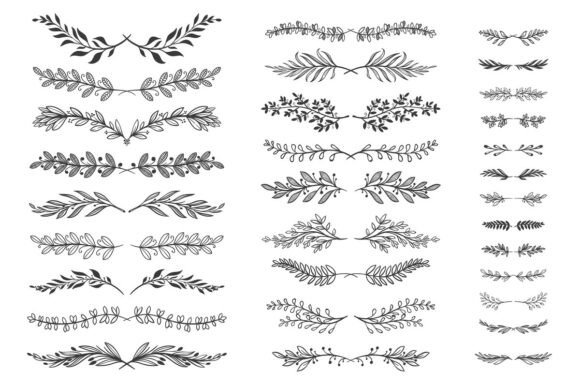
At their core, Floral ornament dividers are transitional elements. However, describing them merely as transitions understates their impact. These assets, often comprising ornamental leafs, scroll decorations, and decorative branches, act as visual punctuation. Just as a comma or a paragraph break gives a reader a moment to breathe in a sentence, a botanical divider provides a cognitive pause in a visual composition.
The primary benefit of using a hand drawn divider vector set lies in its versatility and aesthetic neutrality. Because these designs are typically rooted in natural forms, they possess an inherent organic quality that feels less intrusive than sharp, industrial lines. This makes them particularly effective in contexts where warmth and approachability are desired. For instance, a lifestyle blogger discussing mindfulness might use a delicate sprig divider to separate sections of an article, reinforcing the calm and natural theme of the content. In contrast, a stark black line might feel too cold or corporate for such a topic.
Moreover, these elements help solve common layout problems. When dealing with uneven text blocks or awkward white space, a decorative branch can fill gaps gracefully, balancing the composition without adding heavy visual weight. This ability to harmonize disparate elements on a page is crucial for maintaining professional standards in self-published materials or independent marketing campaigns.
Enhancing Brand Identity Through Natural Monochrome Decorations
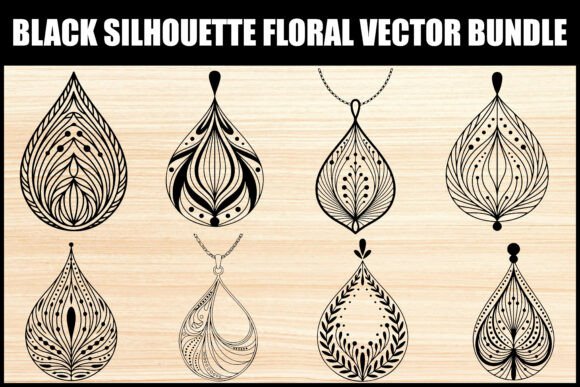
Consistency is the cornerstone of strong branding. Using a curated bundle of pairs of sprigs and botanical design elements allows creators to establish a recognizable visual language. When a brand consistently uses specific styles of natural monochrome decorations, audiences begin to associate those organic shapes with the brand’s identity. This is particularly valuable for businesses in the wellness, beauty, artisanal food, or sustainable goods sectors, where natural imagery aligns closely with core values.
Consider a small business owner creating a product catalog. By integrating ornamental leafs scroll decoration between product descriptions, they create a cohesive look that feels curated rather than assembled from disparate templates. This level of polish builds trust. Consumers often equate high-quality design with high-quality products. Therefore, investing time in selecting the right floral dividers is an indirect investment in customer perception and conversion rates.
Furthermore, monochrome options offer distinct advantages in terms of readability and printing costs. Black-and-white or single-color vector graphics ensure that the dividers do not compete with product photography or key textual information. They recede slightly into the background, performing their structural role without demanding excessive attention. This subtlety is key to effective design; the best dividers are noticed for their contribution to clarity, not for their distraction.
Practical Applications for Diverse Creators
The utility of Floral Ornament Dividers. Ornamental extends across various mediums and professions. Understanding where and how to apply them can maximize their effectiveness.
- Digital Publishing and Blogging: Long-form articles benefit immensely from visual breaks. Inserting a decorative branch every 300–500 words reduces eye strain and encourages readers to continue scrolling. It breaks the "wall of text" effect, making content appear more manageable and inviting.
- Print Design and Stationery: For wedding invitations, menus, and programs, floral dividers add a layer of formal elegance. They can frame text, separate event details, or decorate headers. The intricate details of hand-drawn vectors translate beautifully to high-resolution print, adding texture and depth to paper goods.
- Social Media Graphics: In carousel posts or story highlights, dividers can separate different tips or steps. Using a consistent set of sprigs helps maintain visual continuity across multiple slides, keeping the viewer engaged throughout the sequence.
- Educational Materials: Teachers and course creators can use these elements to distinguish between modules, lessons, or key concepts. The organic nature of the designs can make educational content feel less rigid and more approachable, particularly in subjects like literature, history, or arts.
Selecting the Right Vector Set for Your Needs
Not all floral dividers are created equal. When choosing a decorative branch and hand drawn divider vector set, several factors should guide your decision. First, consider the style of the illustration. Some sets feature highly detailed, realistic botanicals, while others offer stylized, minimalist silhouettes. The choice depends on your overall design aesthetic. A minimalist brand may find detailed illustrations overwhelming, whereas a vintage-inspired brand might require the complexity of ornate scrolls.
Second, evaluate the format and scalability. Vector files (such as SVG, EPS, or AI) are essential because they allow for infinite scaling without loss of quality. This ensures that your dividers look crisp whether they are used on a mobile screen or a large-format banner. Raster images (like JPEG or PNG) can pixelate when resized, leading to unprofessional results.
Third, assess the variety within the bundle. A comprehensive set should include horizontal dividers, corner elements, and standalone sprigs. This variety allows for greater creative flexibility. You might use a horizontal divider for section breaks and corner elements to frame quotes or testimonials. Having a cohesive family of elements ensures that these different components work together harmoniously.
Navigating Limitations and Best Practices
While Floral Ornament Dividers. Ornamental are powerful tools, they must be used with restraint. Overuse can clutter a design and distract from the primary message. A good rule of thumb is to use dividers sparingly, reserving them for major section breaks rather than every paragraph. Additionally, ensure there is sufficient white space around the divider. Crowding a decorative element with text diminishes its impact and can make the layout feel cramped.
It is also important to consider accessibility. Ensure that the contrast between the divider and the background is sufficient for visibility, but not so stark that it causes visual vibration. For users with visual impairments, overly intricate patterns can sometimes be confusing. Testing your designs on different devices and seeking feedback can help identify potential issues.
Finally, remember that context matters. While floral dividers are versatile, they may not be suitable for highly technical, corporate, or industrial contexts where a cleaner, more austere aesthetic is expected. Always align your design choices with the expectations and preferences of your target audience.
In conclusion, integrating botanical design elements and natural monochrome decorations into your workflow is a strategic move for enhancing visual communication. By providing structure, elegance, and brand consistency, these simple yet sophisticated tools can elevate the quality of your creative output. Whether you are a seasoned designer or a novice creator, mastering the use of floral ornament dividers offers a tangible way to improve engagement and present your content with greater professionalism and care.