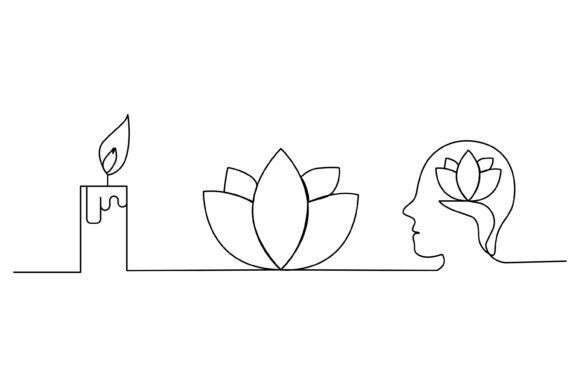
Continuous Line Design of Spirituality: Bridging Art and Human Thought
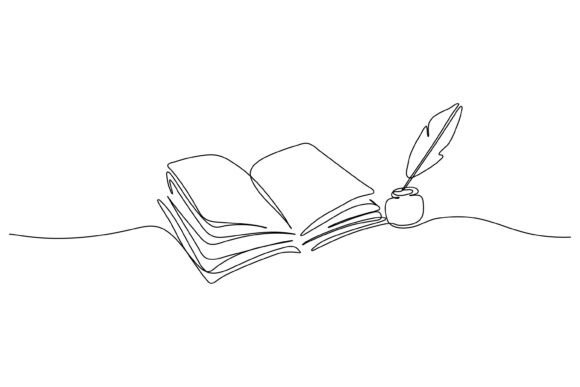
In the vast landscape of visual expression, few styles capture the essence of interconnectedness as profoundly as continuous line design. This artistic technique, characterized by a single, unbroken stroke that forms complex imagery, has transcended its origins in sketching exercises to become a powerful metaphor for spiritual continuity. When applied to themes of spirituality, this minimalist approach offers a unique lens through which we can examine human thought, consciousness, and the seamless flow of existence. The concept of a continuous line design of spirituality is not merely an aesthetic choice; it is a philosophical statement rendered in ink or vector paths.
The Philosophy Behind the Unbroken Stroke
At its core, the continuous line represents unity. In many spiritual traditions, the idea that all things are connected is central to understanding the human experience. A drawing that begins at one point and ends at another without lifting the pen mirrors the journey of life itself—uninterrupted, fluid, and inherently whole. This visual metaphor resonates deeply with audiences seeking meaning in chaos. By removing the breaks and pauses typical of traditional drawing, the artist emphasizes flow over fragmentation.
This style aligns closely with meditative practices. Just as mindfulness encourages practitioners to observe thoughts without judgment or interruption, continuous line art requires the creator to maintain a steady focus, accepting every mark as part of the final composition. There is no erasing, only adapting. This acceptance of imperfection and inevitability is a hallmark of spiritual growth, making the continuous line design of spirituality a potent tool for both creators and observers.
Symbolism in Minimalist Forms
Minimalism in art often strips away the non-essential to reveal the truth beneath. When artists employ a single line to depict spiritual symbols—such as the lotus, the om symbol, or abstract representations of the human soul—they invite viewers to engage in active interpretation. The simplicity of the form allows the complexity of the meaning to shine. A single decorative element drawn on white space can evoke feelings of peace, balance, and infinite possibility.
- Unity: The unbroken line symbolizes the oneness of all beings.
- Flow: It represents the constant movement of energy and consciousness.
- Simplicity: It highlights the beauty found in reducing complexity to its essence.
- Resilience: The line navigates obstacles without breaking, mirroring human endurance.
Applications in Modern Design and Branding
For business owners, creators, and designers, the appeal of continuous line art extends beyond personal expression. It has become a significant trend in branding, particularly for companies focused on wellness, yoga studios, mental health apps, and organic products. The clean, elegant aesthetic communicates transparency and authenticity—values that modern consumers prioritize. Using a single line decorative element in a logo or packaging design can instantly convey a brand’s commitment to simplicity and holistic values.
Moreover, the versatility of this style makes it ideal for various media. Whether printed on business cards, embroidered on apparel, or displayed as large-scale wall art, the continuous line maintains its integrity. Its scalability ensures that the message remains clear regardless of size. For educators and researchers studying visual communication, this style offers a case study in how minimal visual data can convey maximum emotional impact.
Digital Assets and Versatility
In the digital age, the format of artistic assets is as important as the content. Professionals seeking to incorporate spiritual motifs into their projects often look for high-quality vector files. Formats like EPS and SVG are crucial because they allow for infinite scalability without loss of quality. This is particularly important for web designers who need crisp graphics that load quickly and look sharp on any device.
When you acquire a continuous line design of spirituality in these formats, you gain the flexibility to manipulate the artwork to fit specific needs. You can change colors, adjust thickness, or integrate the line into larger compositions. Additionally, having a JPG version ensures compatibility with platforms that do not support vector files, providing a comprehensive solution for diverse use cases. This multi-format availability supports a wide range of applications, from digital marketing campaigns to physical print materials.
The Psychological Impact on Viewers
Research in psychology suggests that simple, flowing lines can have a calming effect on the viewer. Unlike chaotic or jagged imagery, continuous curves guide the eye smoothly across the canvas, reducing cognitive load and promoting relaxation. This physiological response is why such designs are prevalent in spaces dedicated to healing and reflection. Hospitals, therapy centers, and meditation rooms often feature art that mimics natural, flowing forms to create a soothing environment.
For hobbyists and home decorators, incorporating these elements into living spaces can transform the atmosphere. A framed piece of continuous line art serves as a daily reminder of balance and continuity. It acts as a visual anchor, grounding the observer in the present moment. The stark contrast of black ink on a white background further enhances focus, eliminating distractions and allowing the mind to rest.
Enhancing Cognitive Clarity
The act of creating or observing continuous line art can also enhance cognitive clarity. For creators, the constraint of not lifting the pen forces a state of flow, where action and awareness merge. This state is similar to the "zone" experienced by athletes and musicians. For viewers, tracing the line with their eyes can be a form of visual meditation, helping to quiet mental noise and improve concentration. This dual benefit makes the continuous line design of spirituality a valuable resource for educators teaching focus and creativity.
Implementing Continuous Line Art in Creative Projects
Integrating this style into your work requires an understanding of its principles. Whether you are a graphic designer, a writer illustrating a blog, or a business owner updating your brand identity, consider the following steps to effectively utilize continuous line aesthetics.
- Identify the Core Message: Determine what spiritual or emotional concept you wish to convey. Is it peace, strength, or connection?
- Choose the Right Symbol: Select imagery that naturally lends itself to fluid lines. Organic shapes like leaves, waves, and human figures work well.
- Prioritize White Space: Allow the background to breathe. The negative space is as important as the line itself in defining the form.
- Select Appropriate Formats: Ensure you have access to vector files (EPS, SVG) for scalability and raster files (JPG) for universal compatibility.
- Maintain Consistency: If using multiple elements, ensure they share the same line weight and style to create a cohesive visual language.
Considerations for Professional Use
While the aesthetic is simple, execution requires skill. Amateur attempts may lack the grace and intentionality of professional work. When sourcing assets, look for designs that demonstrate a clear understanding of anatomy and proportion, even within the abstract constraints of the style. A well-executed single line decorative element should feel effortless, hiding the complexity of its creation behind a facade of simplicity.
Furthermore, consider the cultural context of the symbols used. Spirituality is diverse, and symbols carry specific meanings in different traditions. Respectful and informed usage ensures that your design resonates positively with a broad audience. Avoid appropriating sacred symbols without understanding their significance, and instead, focus on universal themes of human experience that transcend specific dogmas.
The Future of Spiritual Aesthetics in Design
As society increasingly values mental health and holistic well-being, the demand for art that reflects these values will continue to grow. The continuous line design of spirituality is well-positioned to meet this demand due to its adaptability and profound symbolic resonance. We are likely to see more integration of these elements in digital interfaces, where calm and clarity are essential for user experience.
Technological advancements in AI and generative design may also expand the possibilities of this style. Algorithms can generate complex continuous lines based on input parameters, offering new tools for creators. However, the human touch—the intentionality behind each curve—will remain invaluable. The intersection of technology and traditional artistic wisdom will likely produce innovative forms of expression that continue to explore the depths of human thought.
Ultimately, the power of continuous line art lies in its ability to simplify the complex. In a world filled with noise and fragmentation, it offers a visual sanctuary. It reminds us that despite the twists and turns of our journeys, there is an underlying continuity that connects us all. For professionals, consumers, and creators alike, embracing this style is not just a design choice; it is an invitation to view the world through a lens of unity and flow.